What Is Zero-Based Budgeting and How to Start
Give every dollar a purpose. Zero-based budgeting is the most hands-on method for people who want maximum control over their finances.
The Core Idea: Every Dollar Gets a Job
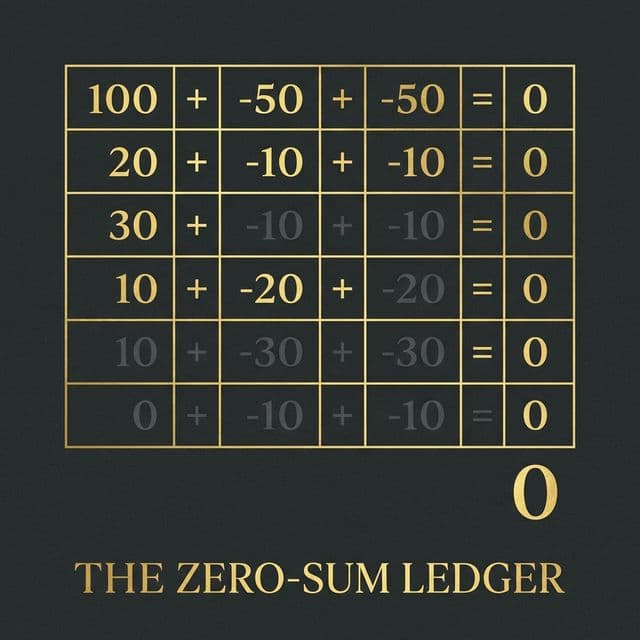
Zero-based budgeting (ZBB) is exactly what it sounds like: you budget your income down to zero. Not zero in your bank account — zero dollars unassigned.
Here's the formula: Income – All Assigned Expenses = $0
Every dollar that enters your account gets assigned a purpose before you spend it. Rent, groceries, gas, entertainment, savings, debt payments — every category gets a specific dollar amount. When the math works out to zero, every dollar has a job.
This is fundamentally different from traditional budgeting, where you might track spending after the fact and hope the numbers work out. With zero-based budgeting, you're planning proactively. You decide where your money goes before the month begins, not after it ends.
The method was originally developed for corporate budgeting in the 1970s by Peter Pyhrr at Texas Instruments. It was later adapted for personal finance and popularized by financial educator Dave Ramsey. Today, it's used by millions of people who want granular control over their money.
How Zero-Based Budgeting Works: A Walkthrough
Let's walk through creating a zero-based budget with a $4,000 monthly take-home pay:
Step 1: List your income. All sources: salary, side hustle, investment income. Total = $4,000.
Step 2: List every expense category and assign amounts: - Rent: $1,200 - Utilities: $150 - Groceries: $400 - Transportation: $200 - Insurance: $150 - Dining Out: $200 - Entertainment: $100 - Clothing: $50 - Subscriptions: $60 - Personal Care: $40 - Emergency Fund: $200 - Extra Debt Payment: $300 - Retirement Savings: $200 - Miscellaneous Buffer: $150 - Christmas/Gift Fund: $50 - Medical Fund: $50
Step 3: Check the math. $1,200 + $150 + $400 + $200 + $150 + $200 + $100 + $50 + $60 + $40 + $200 + $300 + $200 + $150 + $50 + $50 = $3,500
We have $500 unassigned. In zero-based budgeting, this needs to go somewhere — maybe increase the emergency fund to $400 and add $300 to debt payoff.
Revised total: $4,000 – $4,000 = $0. Every dollar has a job.
Zero-Based vs. 50/30/20: Which Is Better?
Both methods are valid, but they serve different people:
Zero-Based Budgeting gives you maximum control. You decide exactly where every dollar goes. This is ideal for people who: - Have specific financial goals (aggressive debt payoff, saving for a house) - Want to know precisely where every dollar went at month-end - Don't mind spending 15–30 minutes a week managing their budget - Have irregular income that needs careful allocation
The 50/30/20 Rule gives you flexible guardrails. You set three broad targets and stay within them. This is ideal for people who: - Want a simple framework that requires minimal maintenance - Have stable income and predictable expenses - Prefer general guidance over granular tracking - Are just getting started with budgeting
Many people start with 50/30/20 to build the budgeting habit, then graduate to zero-based budgeting when they want more precision. There's no wrong answer — the best method is the one you'll consistently follow.
Tips for Making Zero-Based Budgeting Work
Budget before the month starts. Sit down in the last week of each month and create next month's budget. Don't try to retroactively budget — the power of ZBB is in the planning.
Include irregular expenses. Annual costs like car registration, holiday gifts, and insurance premiums should be divided by 12 and budgeted monthly. This prevents "surprise" expenses from derailing your budget.
Use a buffer category. Label it "Miscellaneous" or "Buffer" and allocate 3-5% of your income. Life is unpredictable, and this prevents small surprises from feeling like budget failures.
Adjust mid-month when needed. Zero-based budgeting doesn't mean the budget is locked in stone. If you underspend on groceries but need more for car maintenance, move money between categories. The total should still equal zero.
Track as you go. The budget only works if you monitor your spending against your plan. Weekly check-ins (even just five minutes) catch overspending before it becomes a problem.
Give it three months. Your first zero-based budget will be imperfect. Your second will be better. By month three, you'll have a budget that genuinely reflects your life. Don't quit after one rough month.
Common Zero-Based Budgeting Mistakes
Forgetting to budget for fun. A budget with zero entertainment or dining-out money is unrealistic. You'll either break the budget or become miserable — neither is sustainable.
Creating too many categories. Twenty-five budget categories is overwhelming. Start with 10–15 major categories. You can always add granularity later.
Not accounting for variable expenses. Gas prices fluctuate, grocery costs change seasonally, and utility bills vary. Use averages from the past three months as your starting point.
Treating the budget as permanent. Each month's budget should be created fresh based on that month's specific needs. December looks different from March — your budget should reflect that.
Giving up after overspending. Going over budget in a category isn't failure. It's data. Adjust the budget for next month and move on.
How Kinshi Simplifies Zero-Based Budgeting
Zero-based budgeting requires knowing exactly where your money goes — and Kinshi makes this effortless. Connect your bank accounts, and AI automatically categorizes every transaction into your budget categories.
Set specific dollar amounts for each category using Kinshi's budget planning feature. Visual progress rings on both the web dashboard and iOS app show exactly how much you've spent and how much remains in each category — in real-time.
When you need to check where you stand mid-month, Kinshi's "Safe to Spend" widget gives you an instant daily allowance. And if you want to ask "How much have I spent on dining out this month?" — just ask the AI chat and get an instant answer.
Zero-based budgeting is powerful but demanding. Kinshi handles the tedious parts — tracking, categorizing, and calculating — so you can focus on the strategic decisions that actually matter.
Take control of your finances.
Kinshi's budget planning feature lets you assign specific amounts to every spending category and track your progress with visual rings. See exactly how much is left in each category in real-time.
Join thousands who are mastering their money with Kinshi. Free to start, no credit card required.